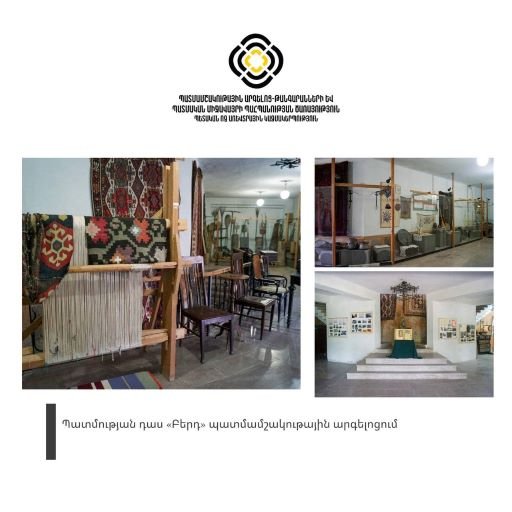
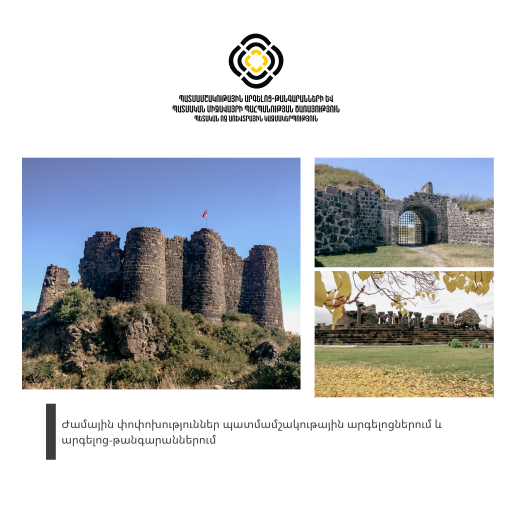
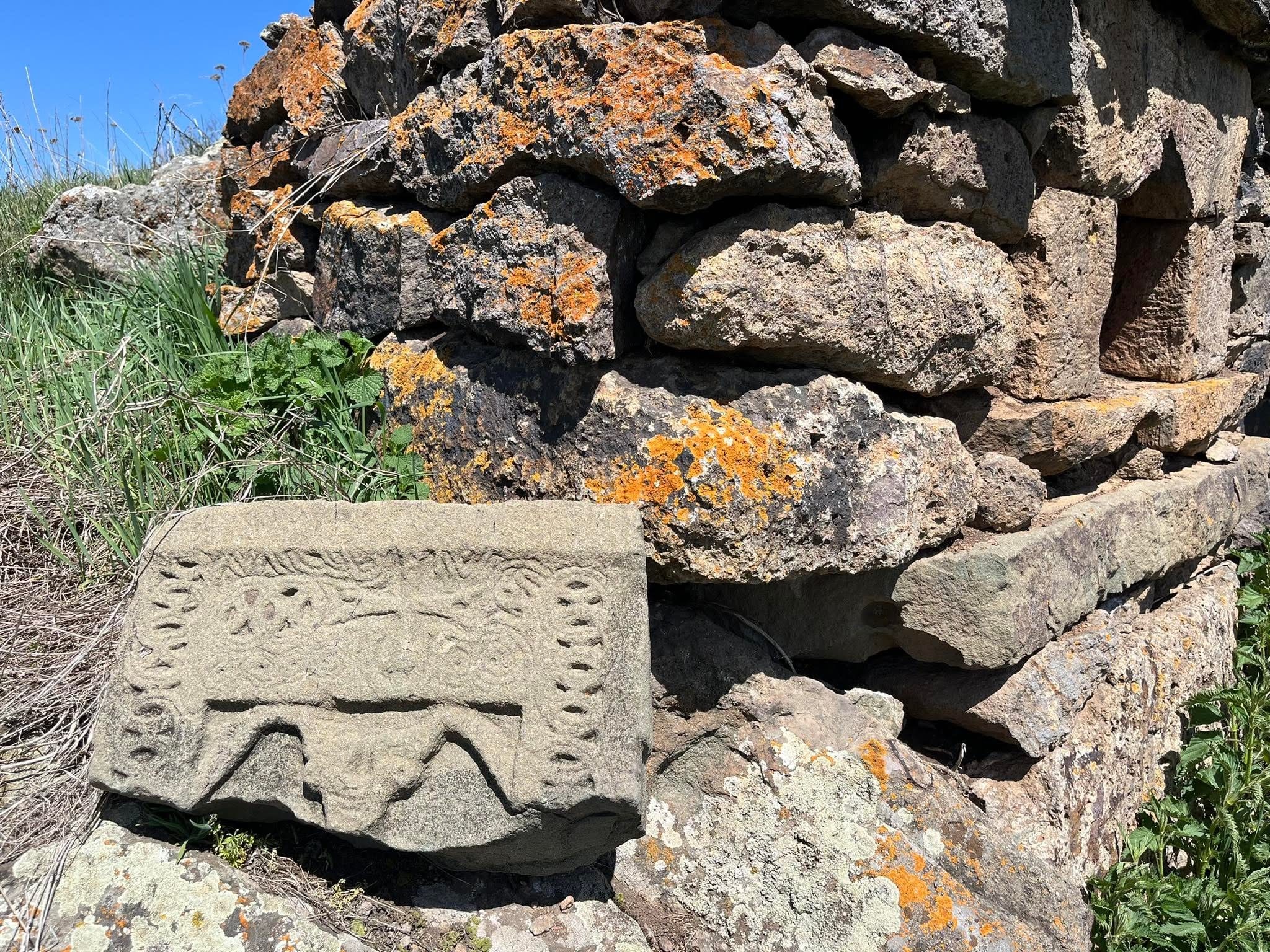
The pupils of the border village Nerkin Karmiraghbyur had a lesson on Armenian History at “Berd” Historical and Cultural Reserve. The pupils got acquainted with the archaeological and ethnographic materials of the museum as well as the history and daily life of Tavush. After it, they visited the “Cyclopean Castle” situated 300 m away from the reserve. The pupils agreed that the lesson was impressive and the knowledge they got was more vivid and permanent. Branch manager of “Berd” Historical and Cultural Reserve Arthur Yerkanyan and the teachers of the Secondary School after Levon Adamyan of the village Nerkin Karmiraghbyur decided to conduct lessons on history and culture more frequently at the museum. Next, the pupils of the village Nerkin Karmiraghbyur are going to visit the “Tavush Fortress”.
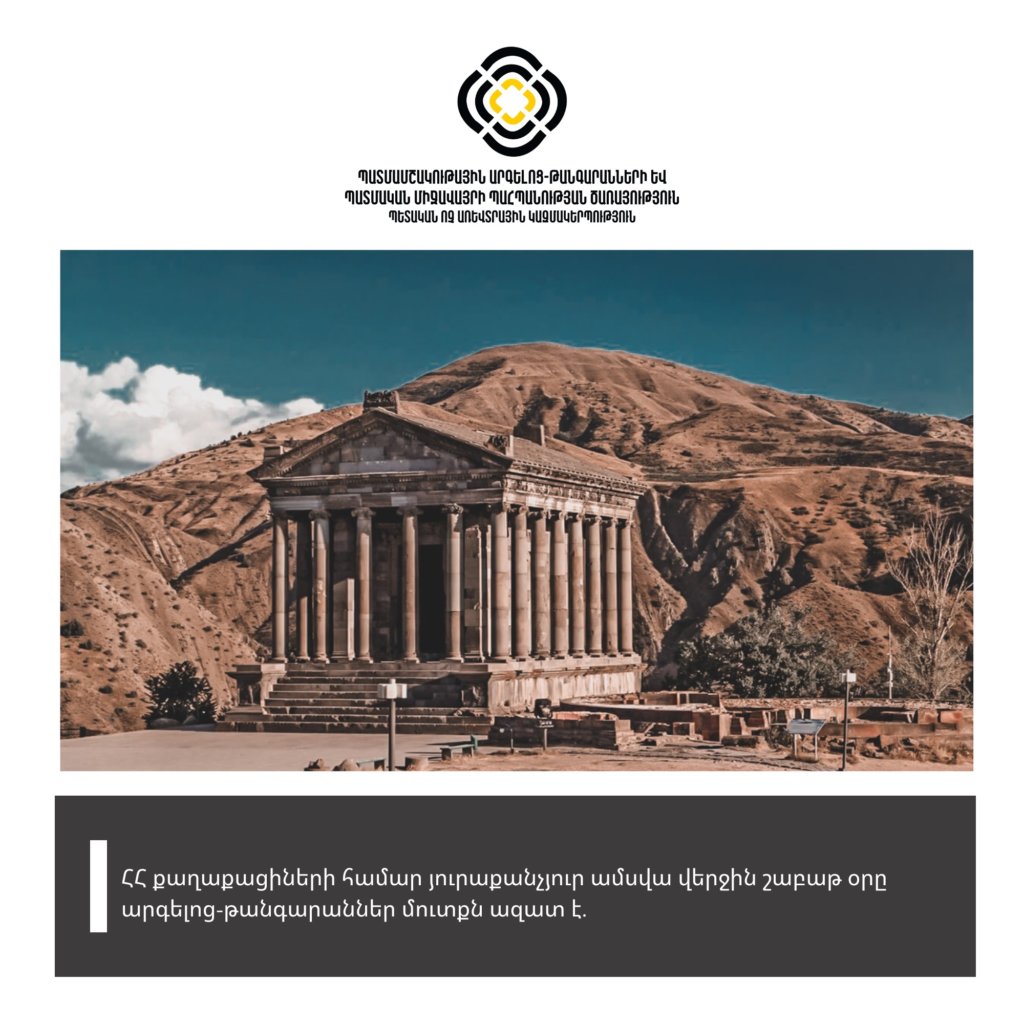
Dear citizens, we remind you that on the last Saturday of each month, the entrance to the museum-reserves is free for citizens of the Republic of Armenia.
“Garni” historical and culturaI museum-reserve,
“Zvartnots” historical and cultural museum-reserve,
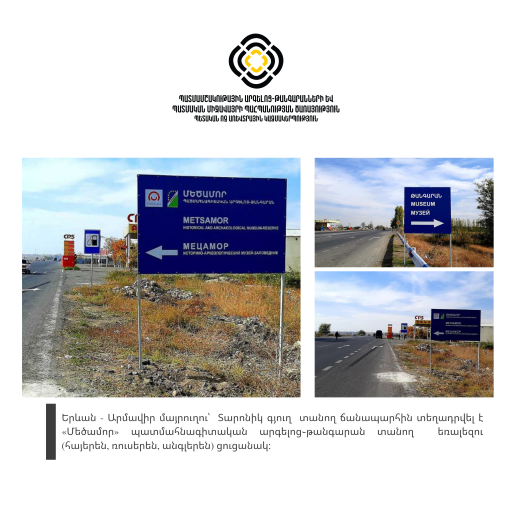
“Metsamor” historical and archeological museum-reserve,
‘’Amberd amroc’’ historical and culturaI reserve,
“Lori berd” historical and culturaI reserve,
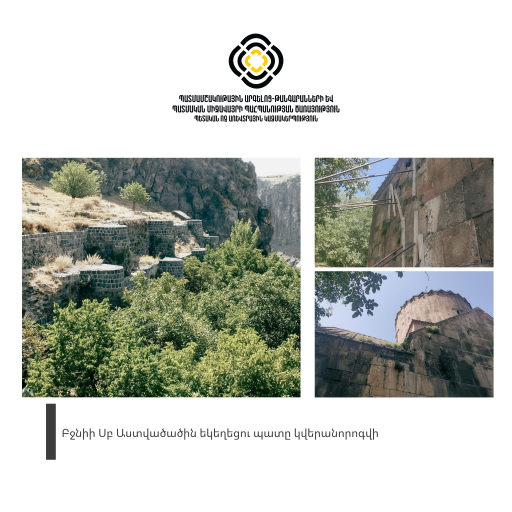
“Bjni-amroc” historical and culturaI reserve,
‘’Zorats karer’’ historical and cultural reserve.
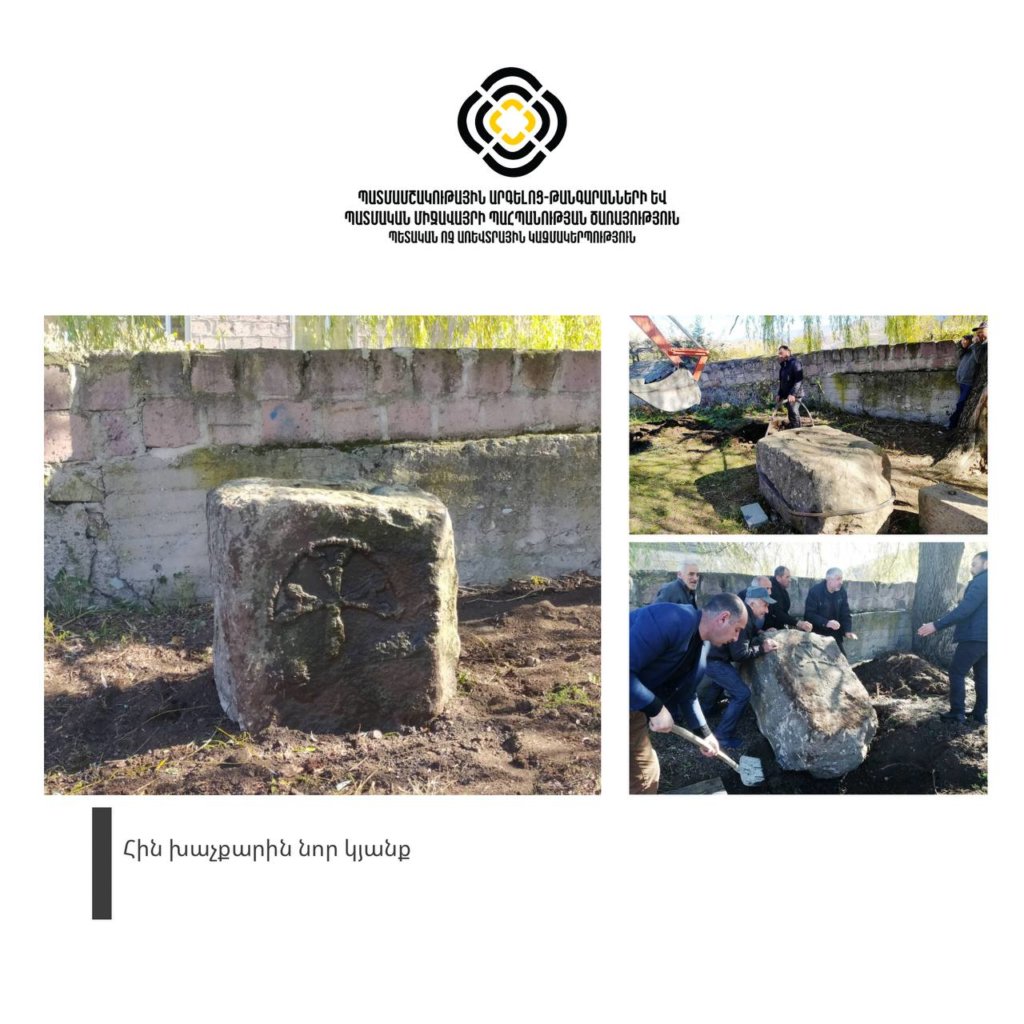
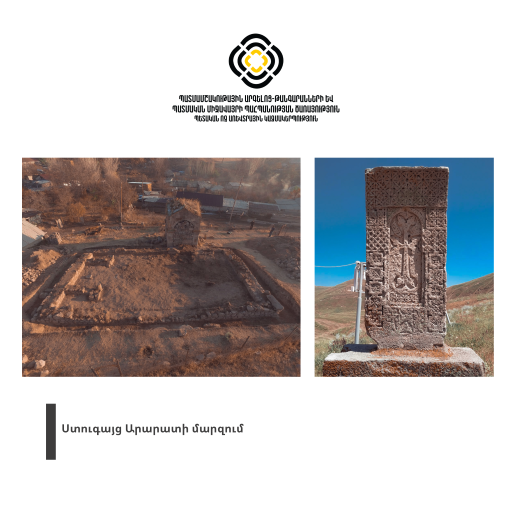
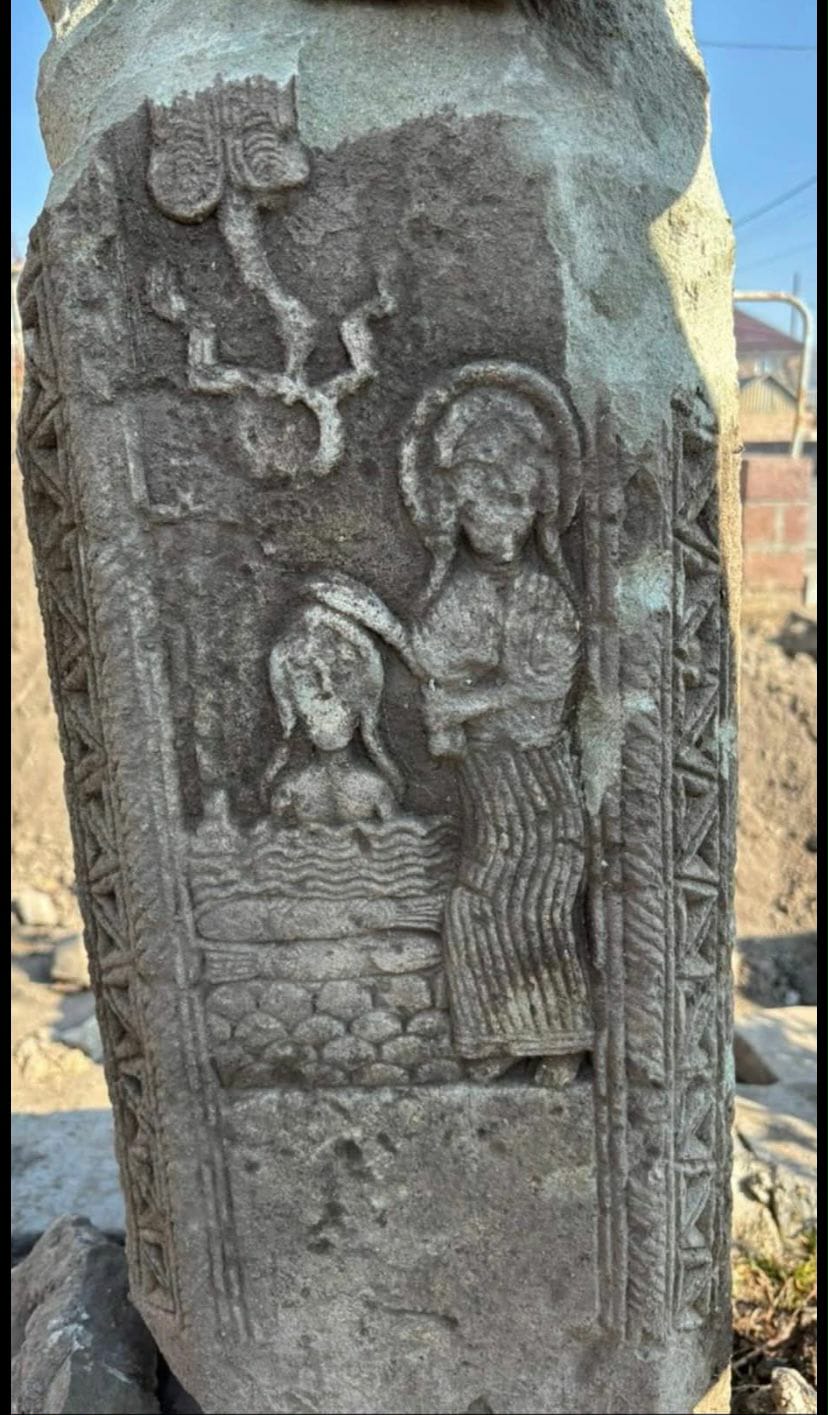
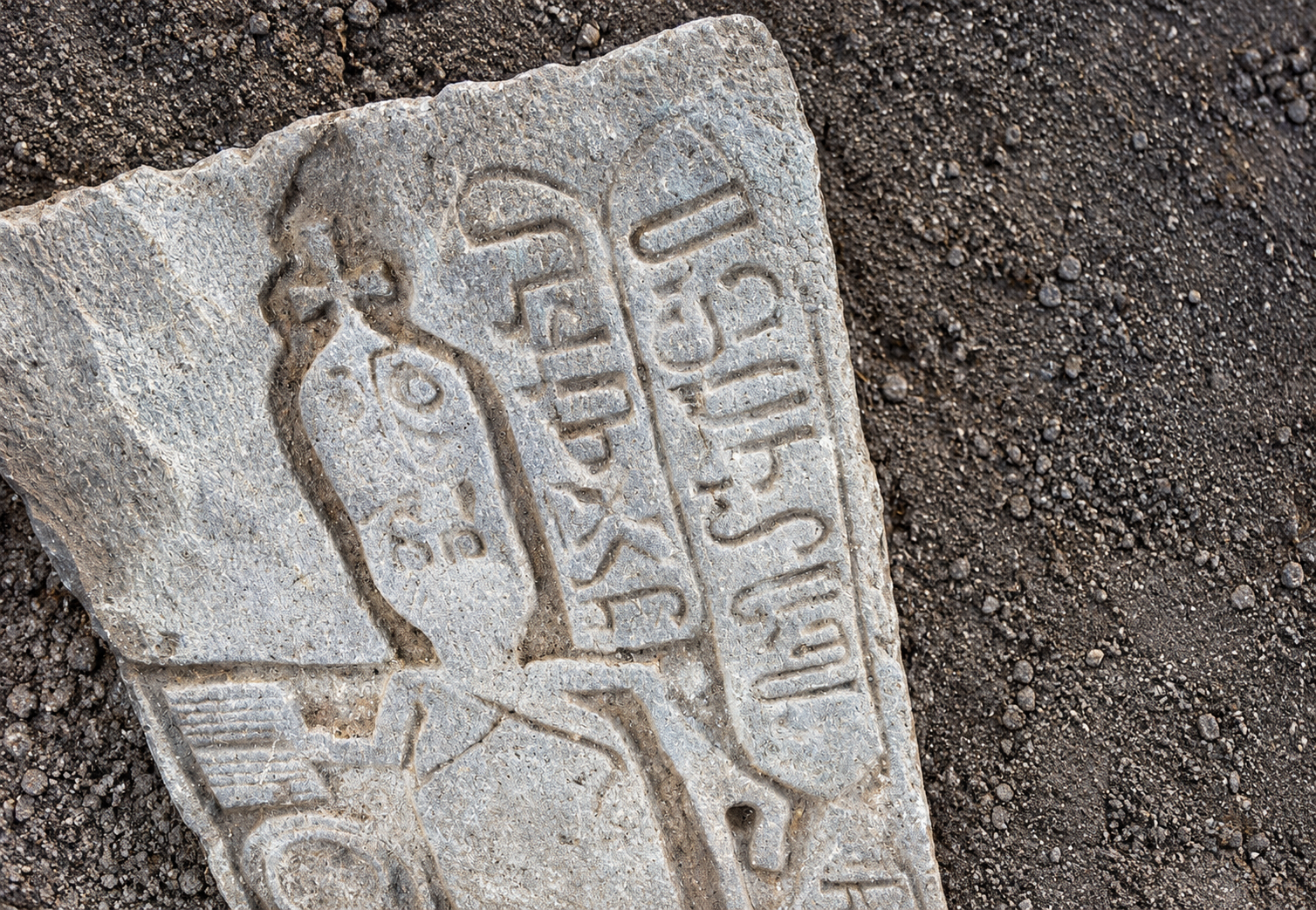
The employees of the Historical Environment Preservation Regional Service (HEP) of Ararat of the “Service for the Protection of Historical Environment and Cultural Museum-Reservations” SNCO of the RA Ministry of Education, Science, Culture and Sport made a working visit to the territory of Lusashogh community in particular: the memorial dedicated to the victims of the World War II, the khachkar (cross-stone) known as Sahmanakhach (i.e. boundary cross) situated 0.5 km away from the community, to the left of the road Lusashogh-Lanjar and the church St. Hovhannes dating back to the XVII-XIX cc. In 2021an expedition of the Institute of Archaeology and Ethnography, NAS RA led by Artak Gnuni carried out archaeological excavations in the territory of the only preserved structure – the bell tower of the church St Hovhannes. During the excavations, a monumental structure of 16X10 m with walls over a meter thick was revealed which was lying deep beneath the soil and vegetation layer. The church had a rectangular altar, which was rare in the region: rectangular altars usually are found in Syunik and Artsakh. It turned out that St Hovhannes Church had been a part of a large monastic complex. The plastered household well with elaborate stone covering in the northern part and the capacious shells of various sizes are evidence of it. The study of the monument area was initiated by the Diocese of Masyatsotn under the leadership of Bishop Ter Gevork Saroyan and the activities were led by Levon Mkrtchyan – a chief specialist of the Monuments Preservation Department of the SNCO.